If you think about it, most of us feel something in a theatre before we fully understand what is happening on stage. A slight chill, a sudden ache, a smile you did not plan – and all this happens even when no one has spoken a word.
That quiet emotional push usually comes from something we do not see:
Music.
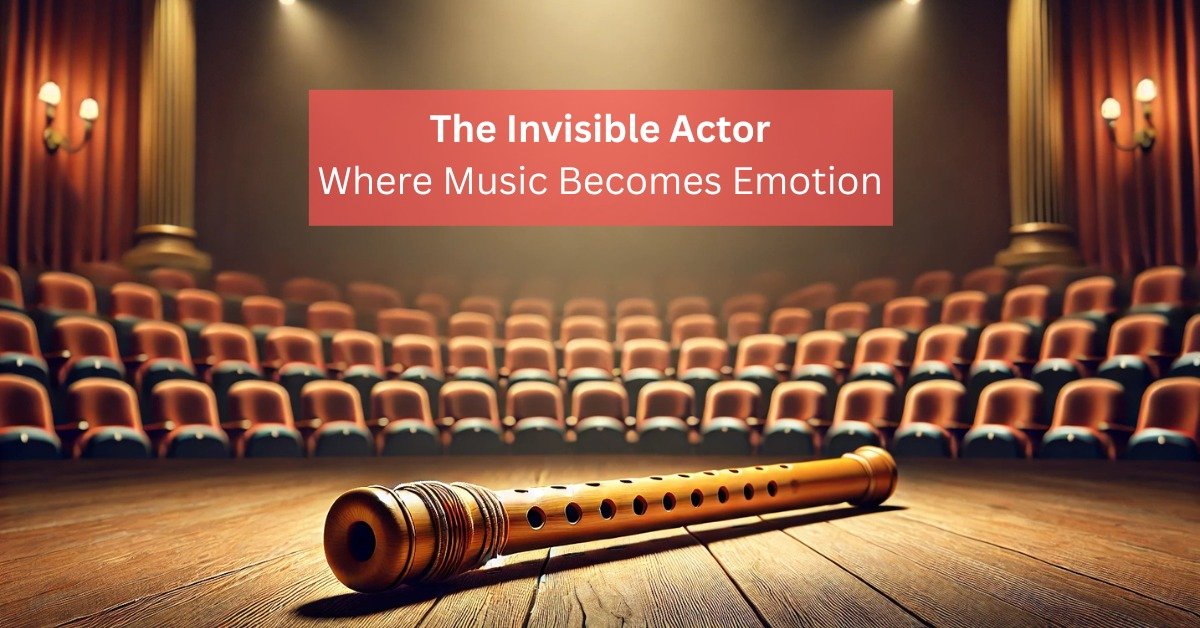
The invisible actor.
In theatre, music isn’t just there to fill silence. It sets the mood, hints at what is coming, and guides the audience through the story without ever stepping into the spotlight. And once you notice it, you realise the theatre would feel empty without it.
How music becomes the first storyteller
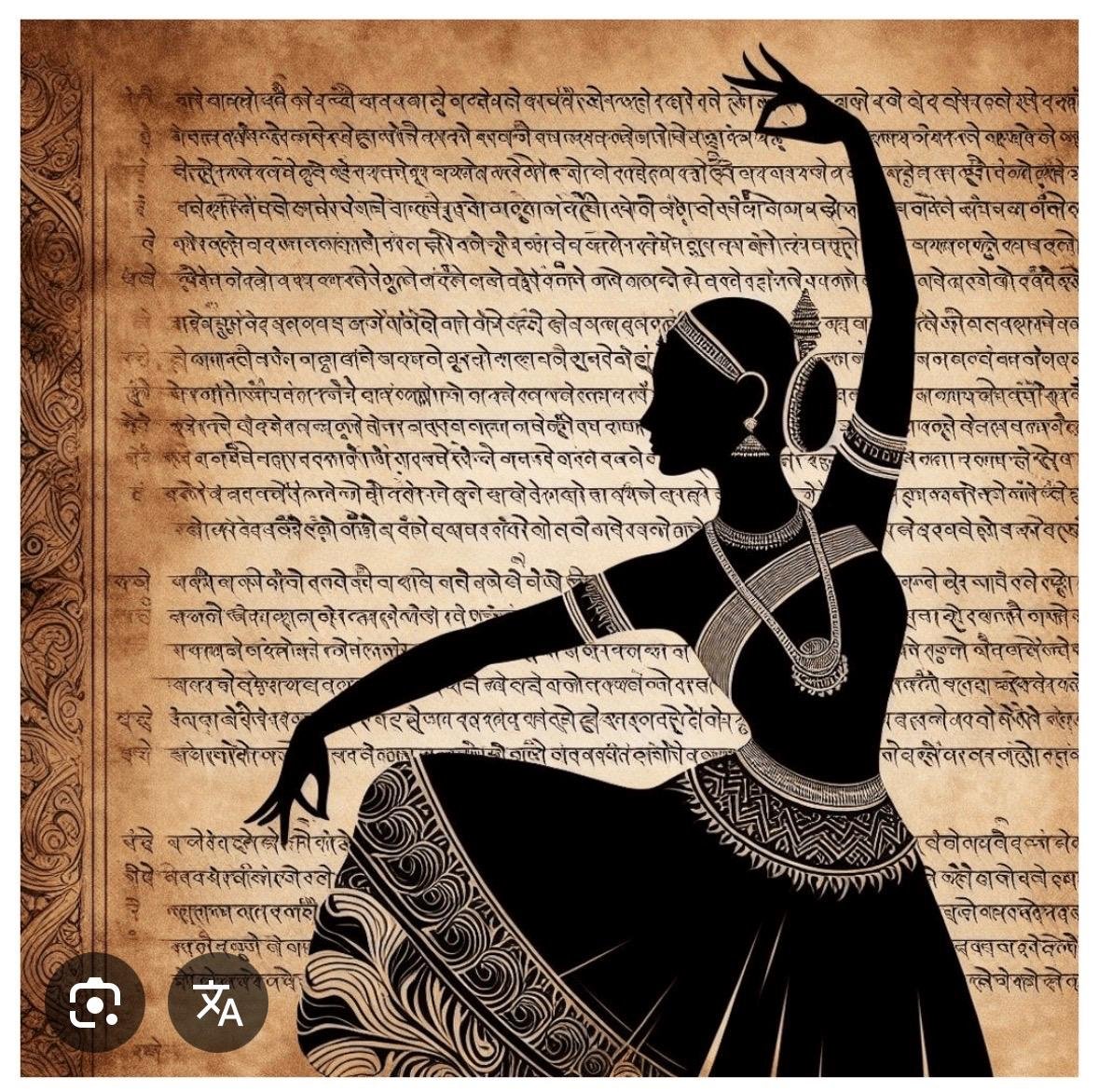
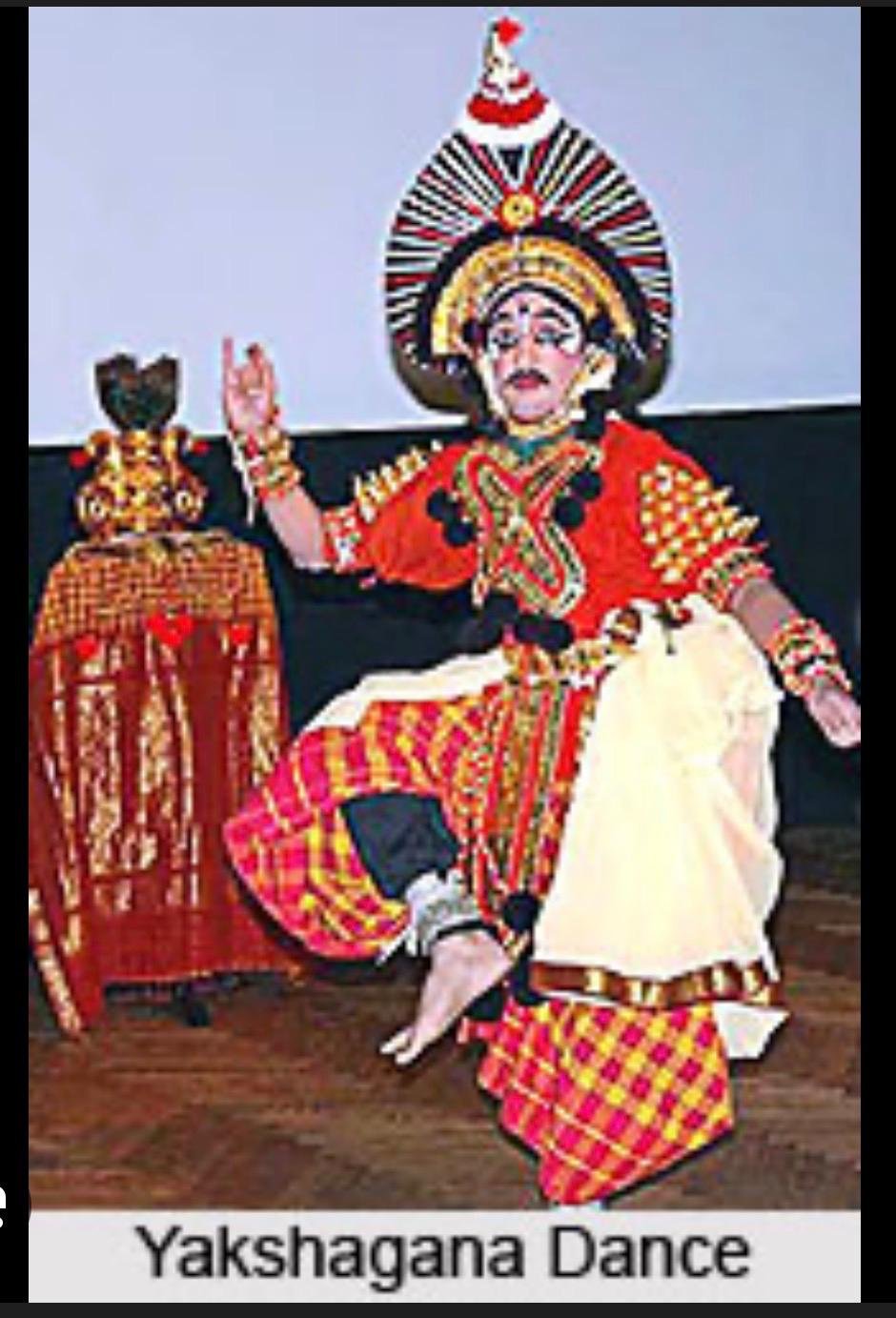
Indian theatre has always been tied to music. If you look at older traditions like Yakshagana, Nautanki, or even the classical ideas in the Natyashastra, music was never optional – it was the main tool for creating emotion or rasa.
Even modern research backs this up. Studies in music psychology say that music can trigger emotions faster than words. In simple terms:
Our hearts respond to sound before our minds catch up.
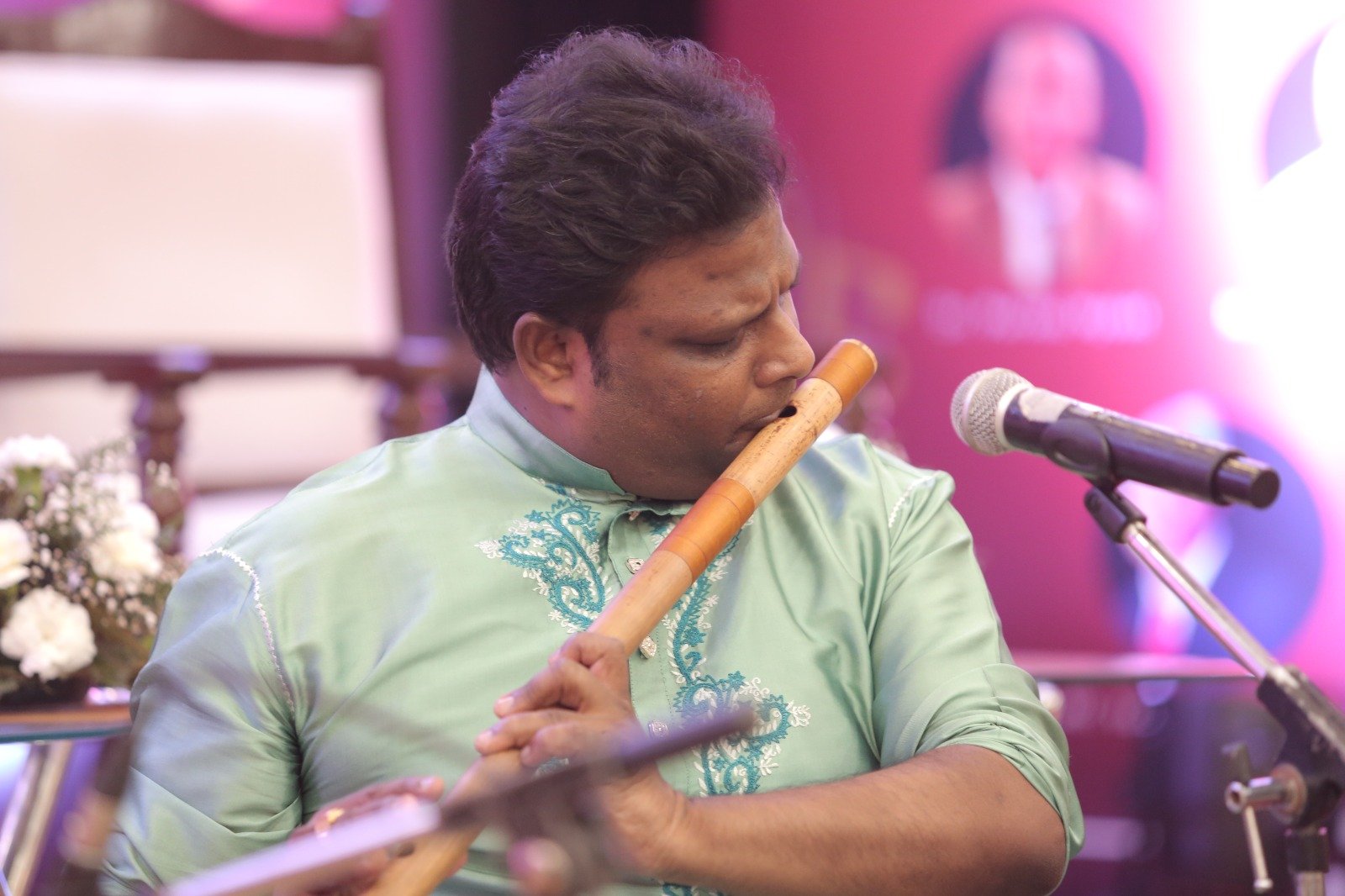
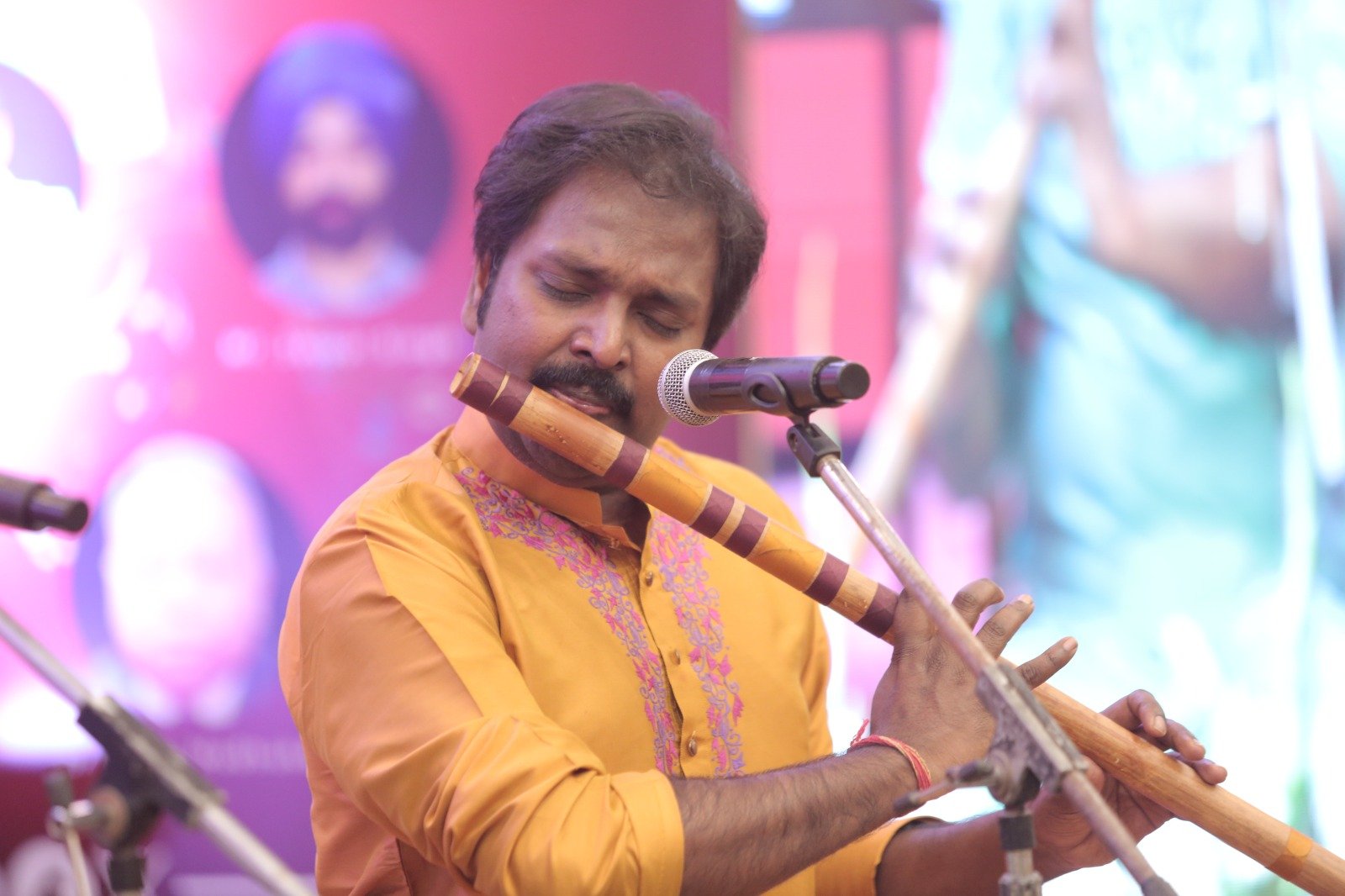
That is why even a single tanpura note or a soft flute line can change how a scene feels, instantly.
How music quietly shapes a play
Here is what music is doing behind the scenes:
1. Setting the mood
Before an actor even appears, music tells us what kind of world we are entering.
Slow alaap? Peaceful.
Fast percussion? Something is about to go down.
2. Making transitions smooth
Scene changes can be awkward without music. A small musical cue keeps the flow going.
3. Giving characters emotional depth
Sometimes, a character has a tiny musical phrase or sound connected to them. You may not notice it, but you feel it.
4. Creating tension – even with silence
Oddly enough, stopping the music at the right moment can create more drama than any loud sound.
Why actors benefit from musicality
Actors do not need to be trained singers, but having a sense of rhythm and melody really helps.
Directors like Ratan Thiyam and Habib Tanvir often said that actors who understand music perform with better timing, breath control, and emotional range.
Music teaches actors how to:
- Feel the rhythm in a scene
- Control pace
- Listen and respond to co-actors
- Transition smoothly between emotions
It is like having an internal compass during a performance.
The Indian stage has always been musical.
If you browse through NSD archives or recordings of older Indian theatre forms, you will notice one thing:
Indian storytelling is naturally musical.
Dialogues rise and fall like a raga, movements follow a rhythm, and scenes are often built around sound rather than just text.
It’s part of our cultural DNA.
Where music and theatre meet today
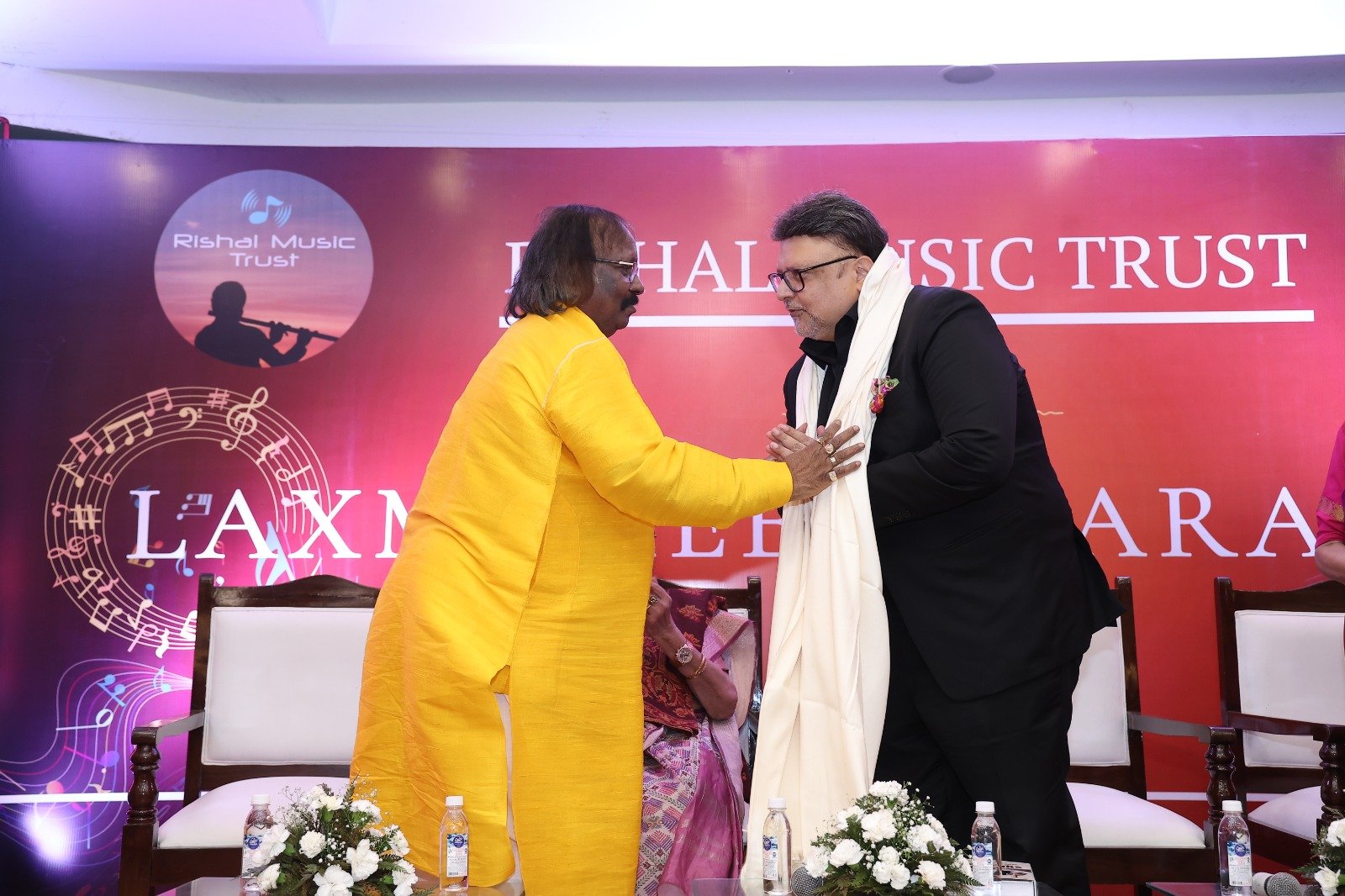
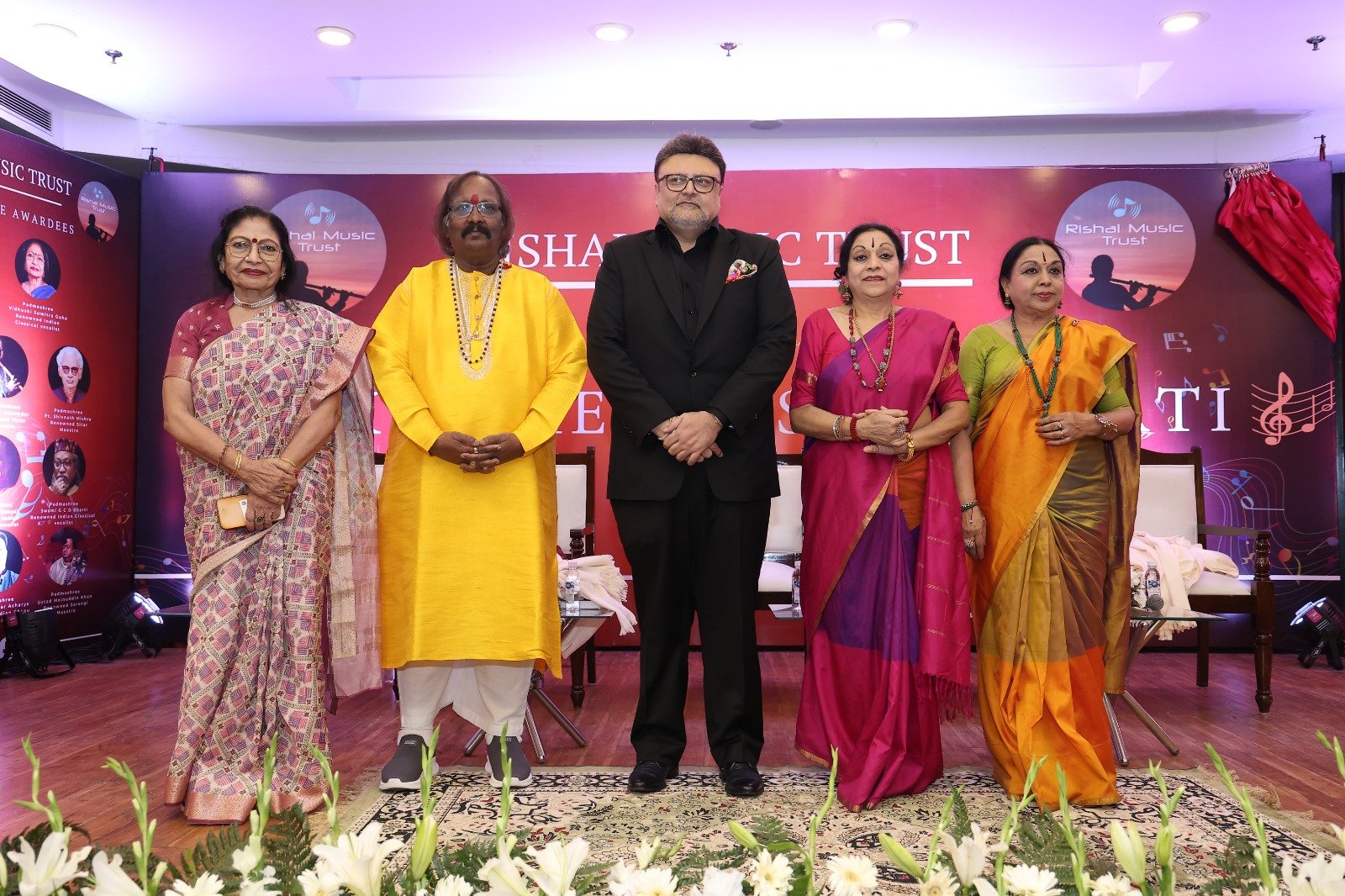
There’s a growing effort to reconnect theatre with classical music traditions. One organisation doing this work is Rishal Music Trust (RMT). The Trust supports classical and folk arts, and its philosophy aligns with what many theatre practitioners believe – that music isn’t just heritage; it’s a living, breathing part of storytelling.
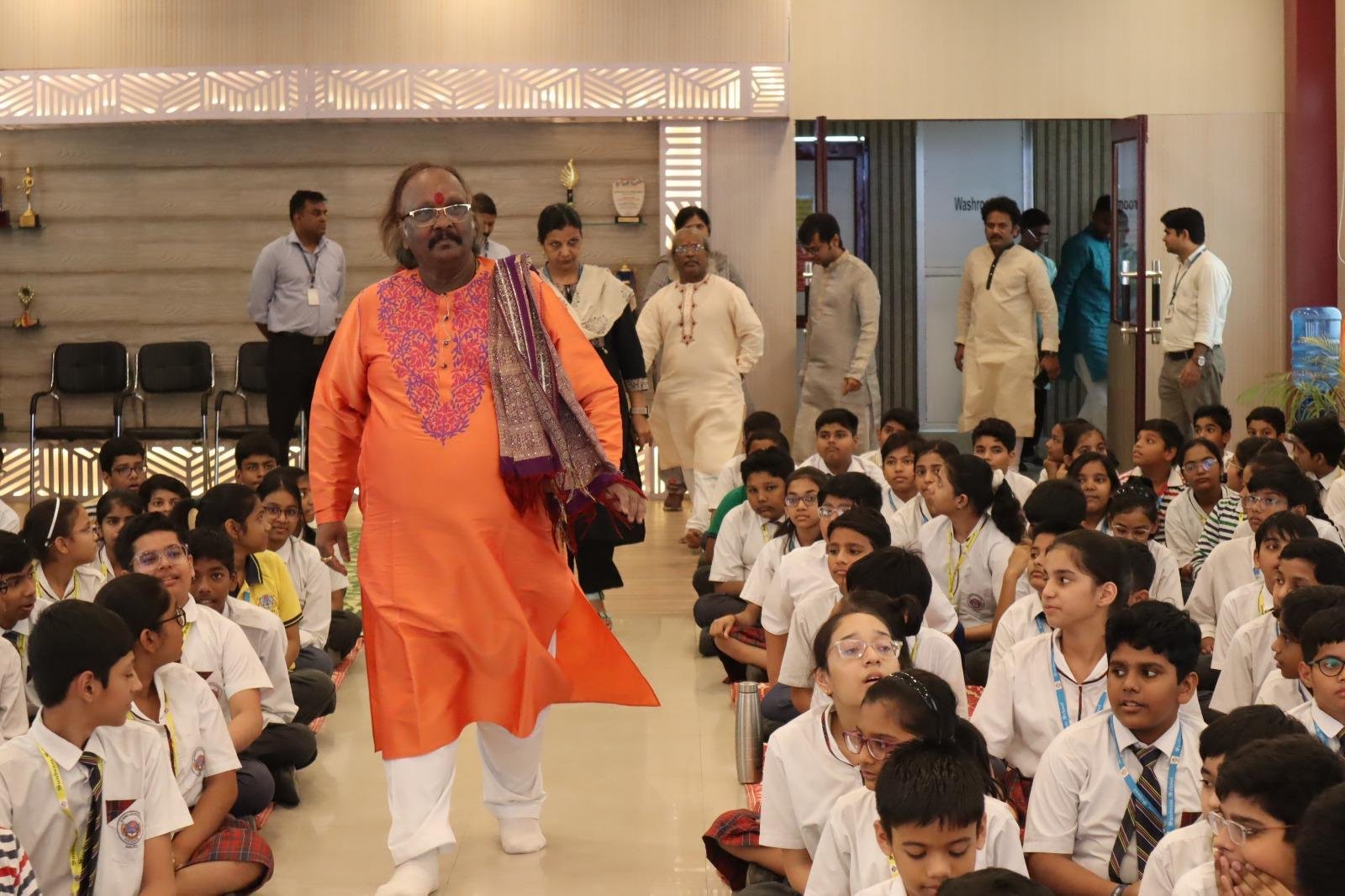
Under the guidance of Harvansh Chawla, a cultural patron and Chairman & Chief Patron of RMT, the Trust often speaks about how music strengthens not only performances but also cultural identity.
Many artists associated with RMT, including stalwarts like Pt. Rajendra Prasanna, have worked with theatre groups, bringing classical music into stage productions and workshops.
Their effort reminds us that theatre becomes richer when music and performance grow together.
So, why does music matter so much?
Because theatre is about connection – and music connects us more directly than dialogue ever can.
A bansuri drifting in from backstage…
A tabla pattern before a big reveal…
Or even a moment of quiet…
All of these shape the way we feel and remember a play.
Music may stay in the shadows, but it guides the heart of the story.
On stage, it truly is the invisible actor.