
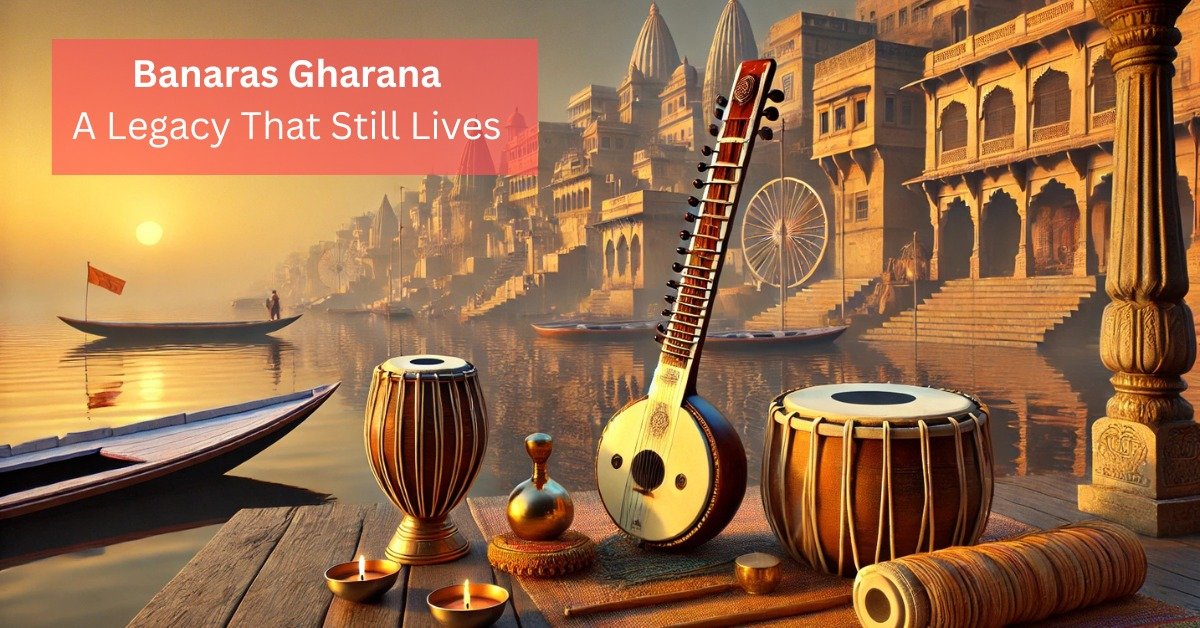
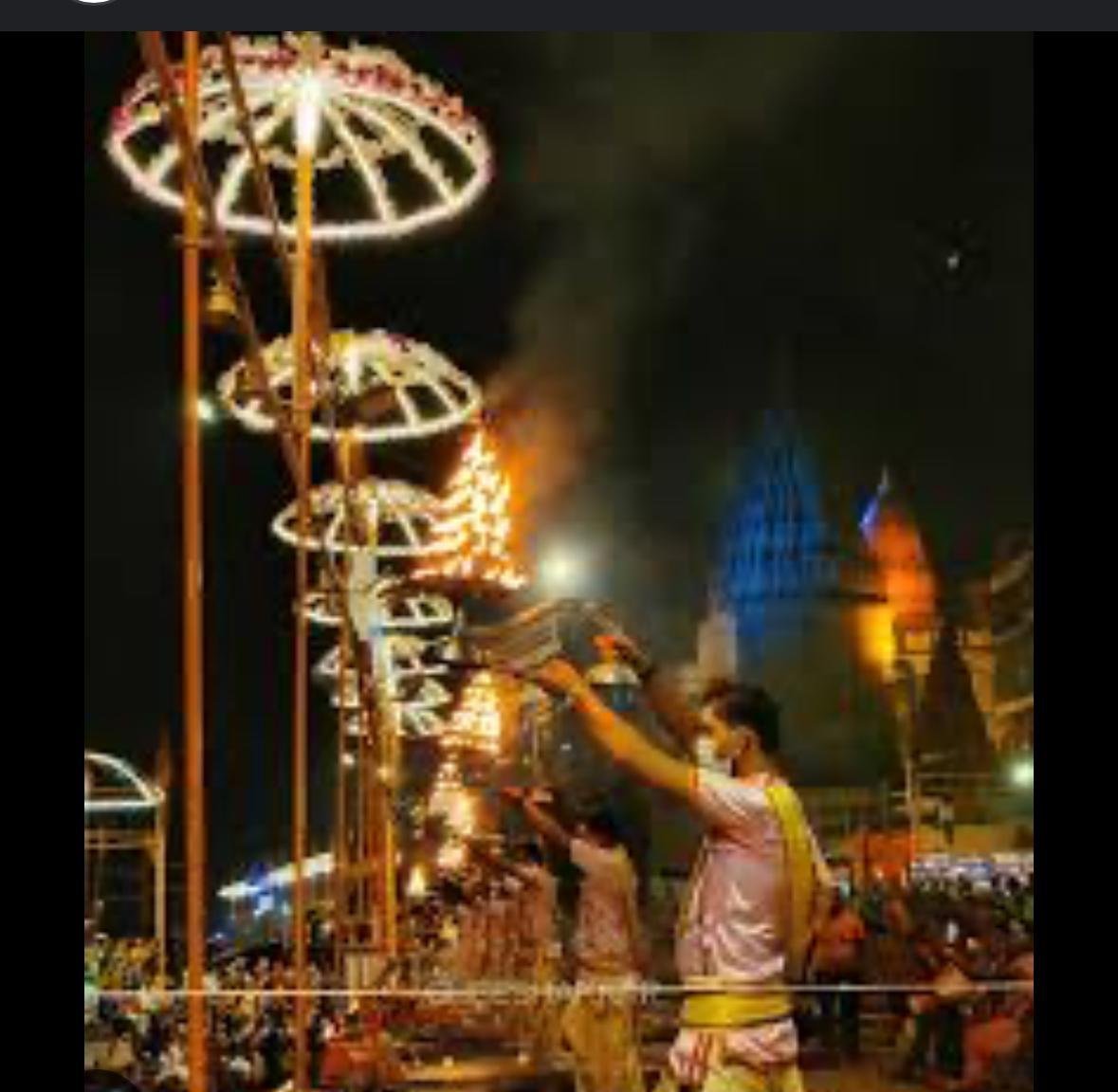
The city of Varanasi, also known as Kashi or Banaras, is often described as the spiritual capital of India. It is a place where tradition, devotion, and art flow as profoundly as the River Ganga itself. Among its many gifts to the world, the Banaras Gharana stands out as one of the most influential and enduring schools of Indian classical music.
More than just a musical tradition, the Banaras Gharana is a living heritage. It represents centuries of devotion, creativity, and mastery passed down from saints, scholars, musicians, and families who made Varanasi a global centre of music.
A City Rooted in Music and Devotion
Varanasi has nurtured Indian classical music for over a thousand years. Its association with Lord Shiva – the cosmic dancer, Nataraja – has made music and dance integral to its identity. Historical records, ancient scriptures, and archaeological discoveries all point to Varanasi as one of India’s earliest musical capitals.
During the Bhakti movement, saint-poets like Kabir, Ravidas, Surdas, Meera, and Tulsidas brought devotional music to the masses. Their singing blurred the boundaries between spirituality and melody, laying the foundation for an evolving and inclusive musical ecosystem.
The Birth and Evolution of the Banaras Gharana
The Banaras Gharana began taking shape over 700 years ago, when musicians from Azamgarh, Bhagalpur, Lucknow, Samastipur, and nearby regions settled in Varanasi. Supported by the Kashi Naresh (Kings of Kashi) and wealthy patrons from Uttar Pradesh, Bihar, and Bengal, these artists found a home where music flourished without boundaries.
This supportive environment led to the development of distinct styles of:
- Vocal music
- Instrumental music
- Tabla and percussion traditions
- Dance forms such as Kathak
Over time, Banaras became a melting pot where folk traditions, classical training, devotional music, and courtly arts blended seamlessly to create a unique musical identity.
The Banaras Tabla Gharana
Any introduction to the Banaras Gharana is incomplete without acknowledging Pt. Ram Sahai, the visionary who founded the Banaras Tabla Gharana around 1800 AD. He developed the powerful and versatile Banaras Baj, a tabla style known for:
- Rich tonal clarity
- Energetic compositions
- Intricate rhythmic patterns
- The ability to shine both as a solo style and as an accompaniment
Tabla legends such as Anokhe Lal, Kanthe Maharaj, Kishan Maharaj, and Gudai Maharaj carried this legacy forward and made Banaras one of the strongest centres of Hindustani rhythm.
Voices and Virtuosos of the Banaras Gharana
The Banaras Gharana has given India some of its most loved musicians, whose artistry has shaped the identity of Indian classical music.
Legendary vocalists include:
- Girija Devi – Queen of Thumri
- Siddheshwari Devi
- Rasoolan Bai
- Bade Ramdas, Ram Prasad Mishra, Badri Prasad Mishra
Renowned instrumentalists:
- Ravi Shankar (Sitar)
- Ustad Bismillah Khan (Shehnai)
- Hanuman Prasad Mishra, Gopal Mishra (Sarangi)
- Vikash Maharaj (Sarod)
Khayal Exponents:
- Rajan and Sajan Mishra, known for their meditative and soulful style
Pt. Rajendra Prasanna - An Eighth-Generation Torchbearer of the Banaras Gharana
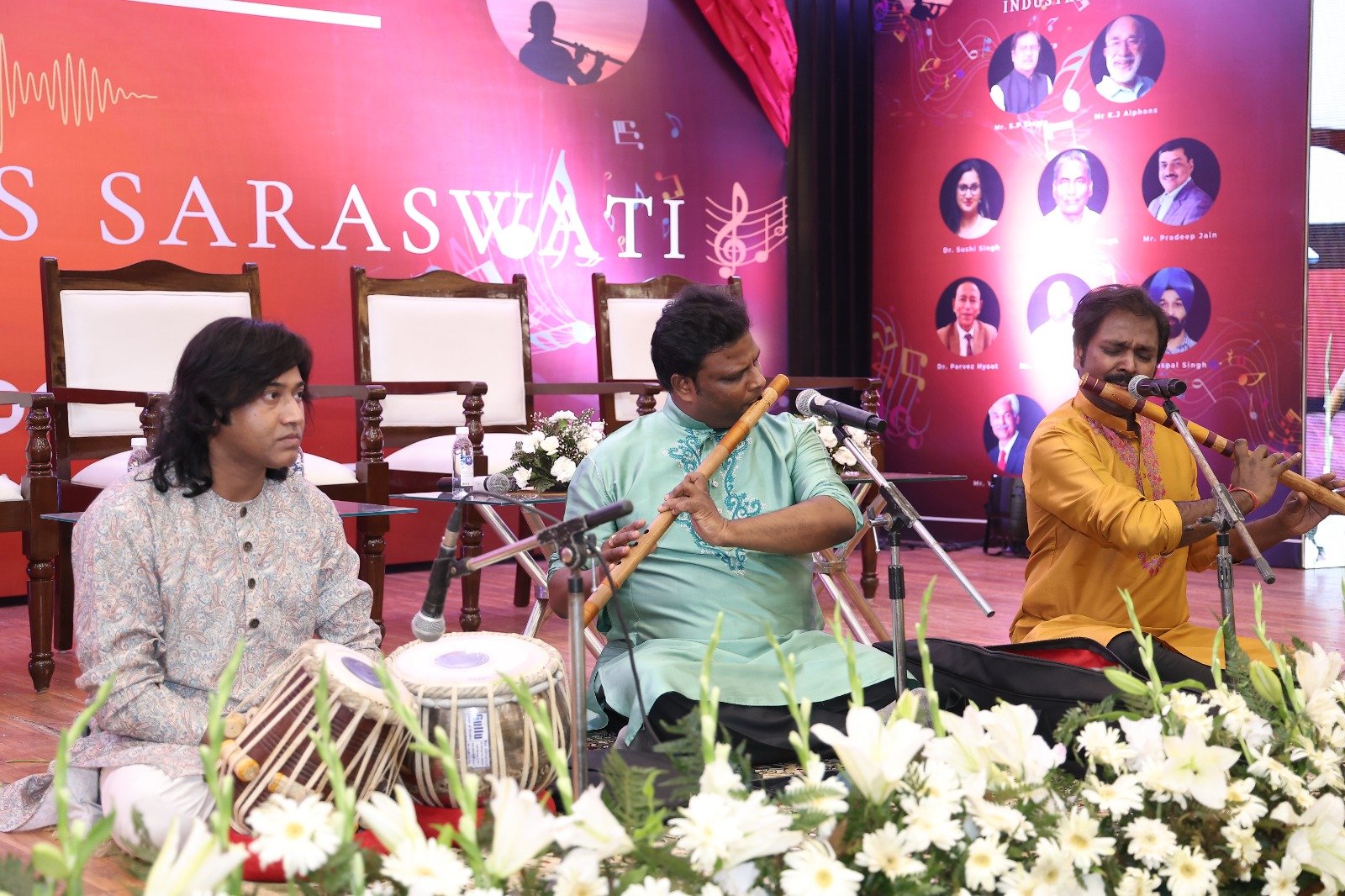
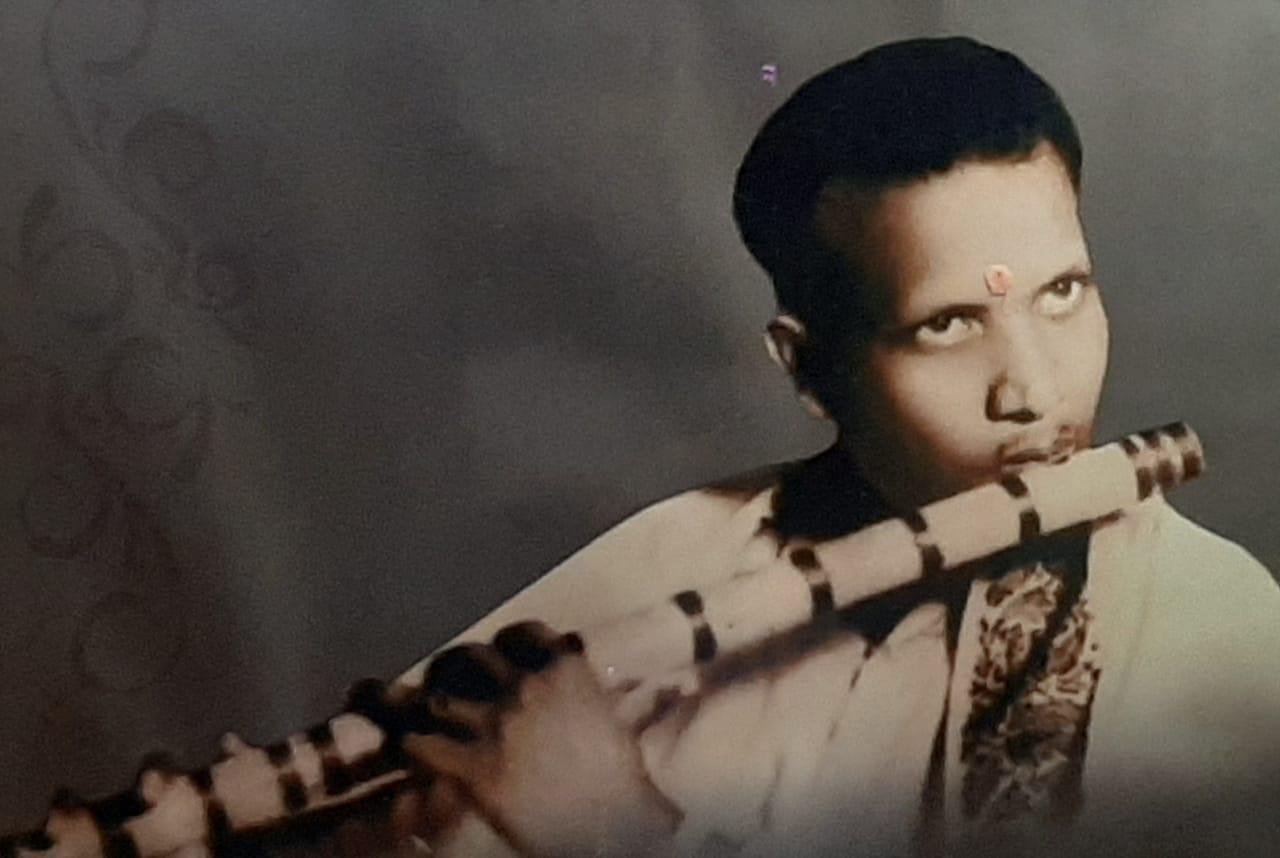
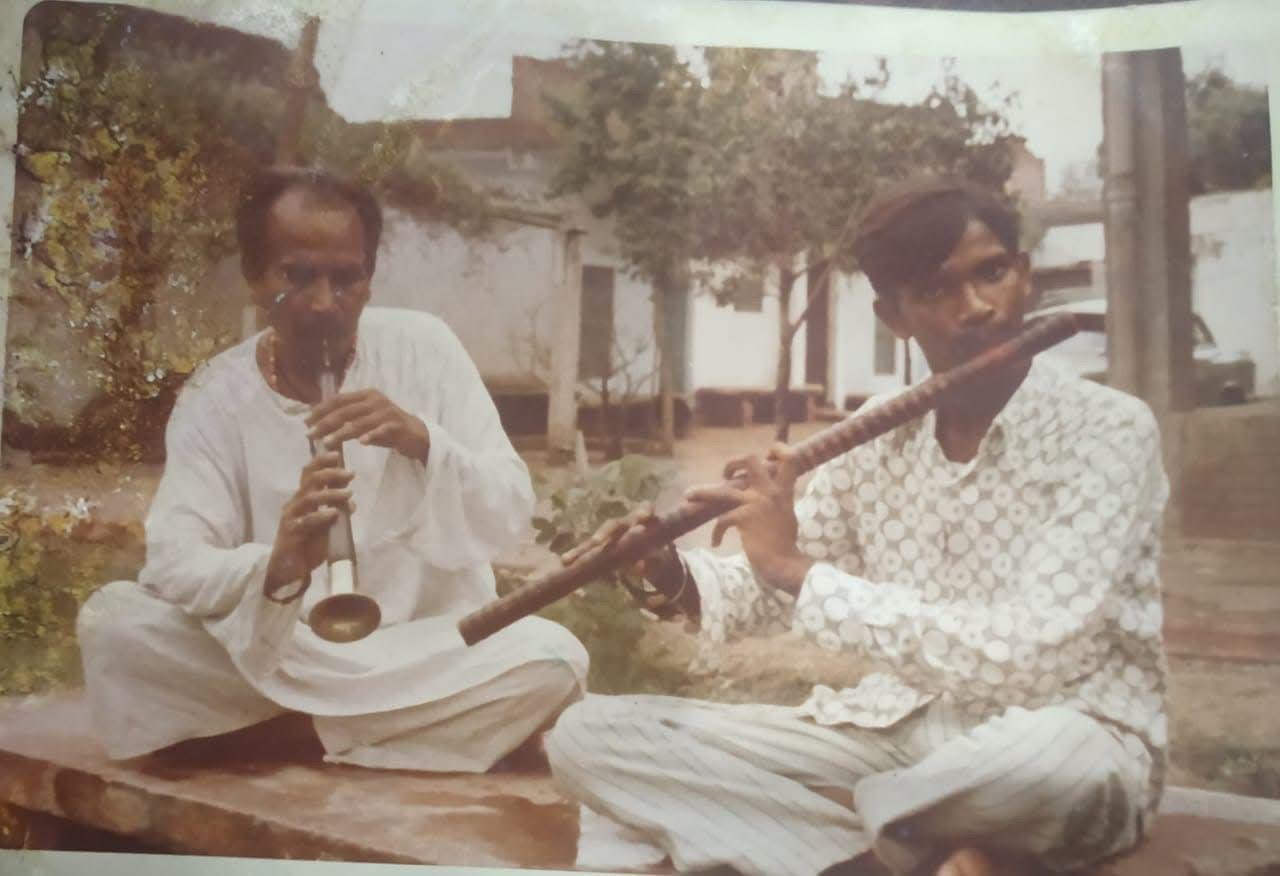
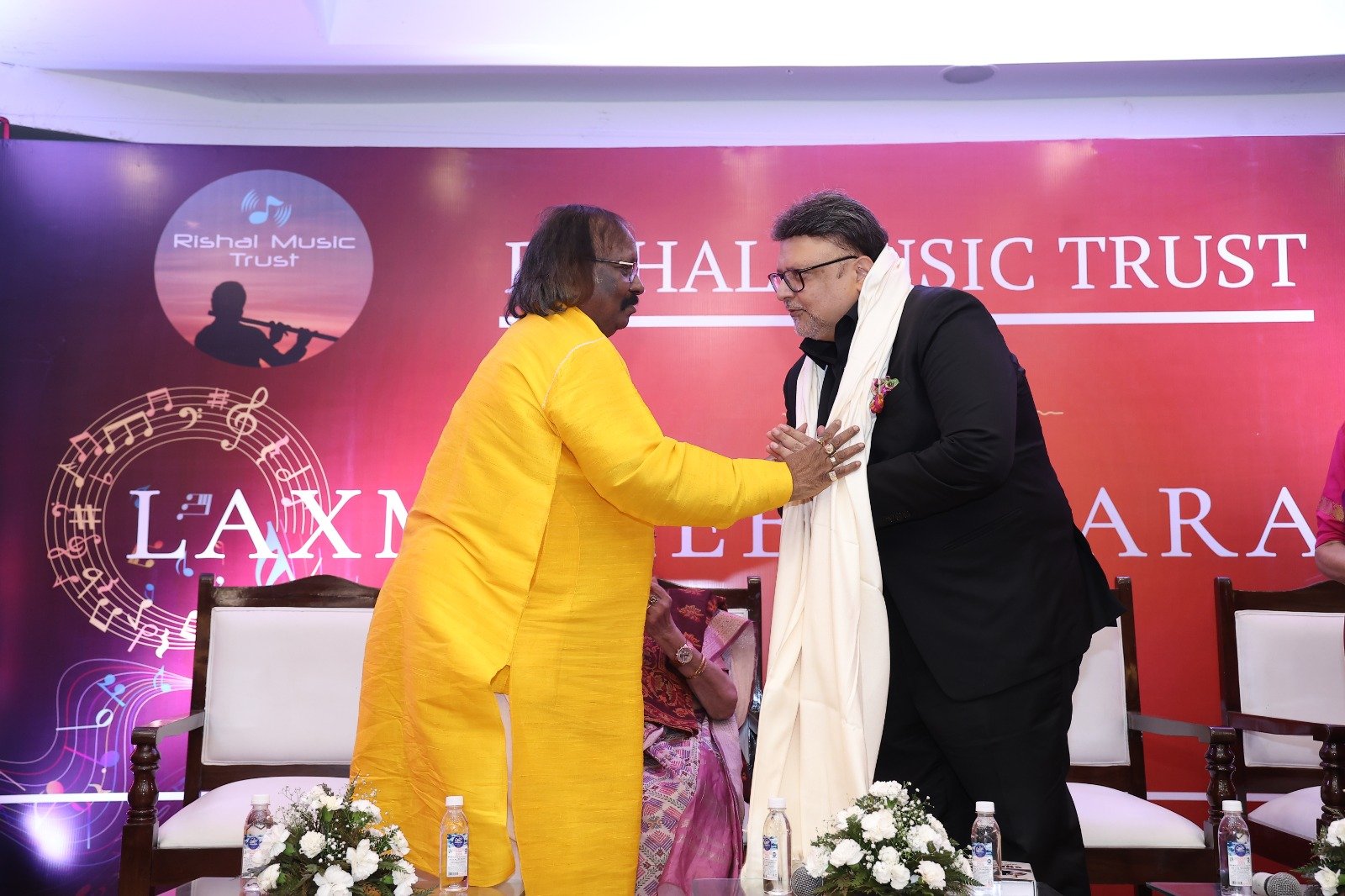
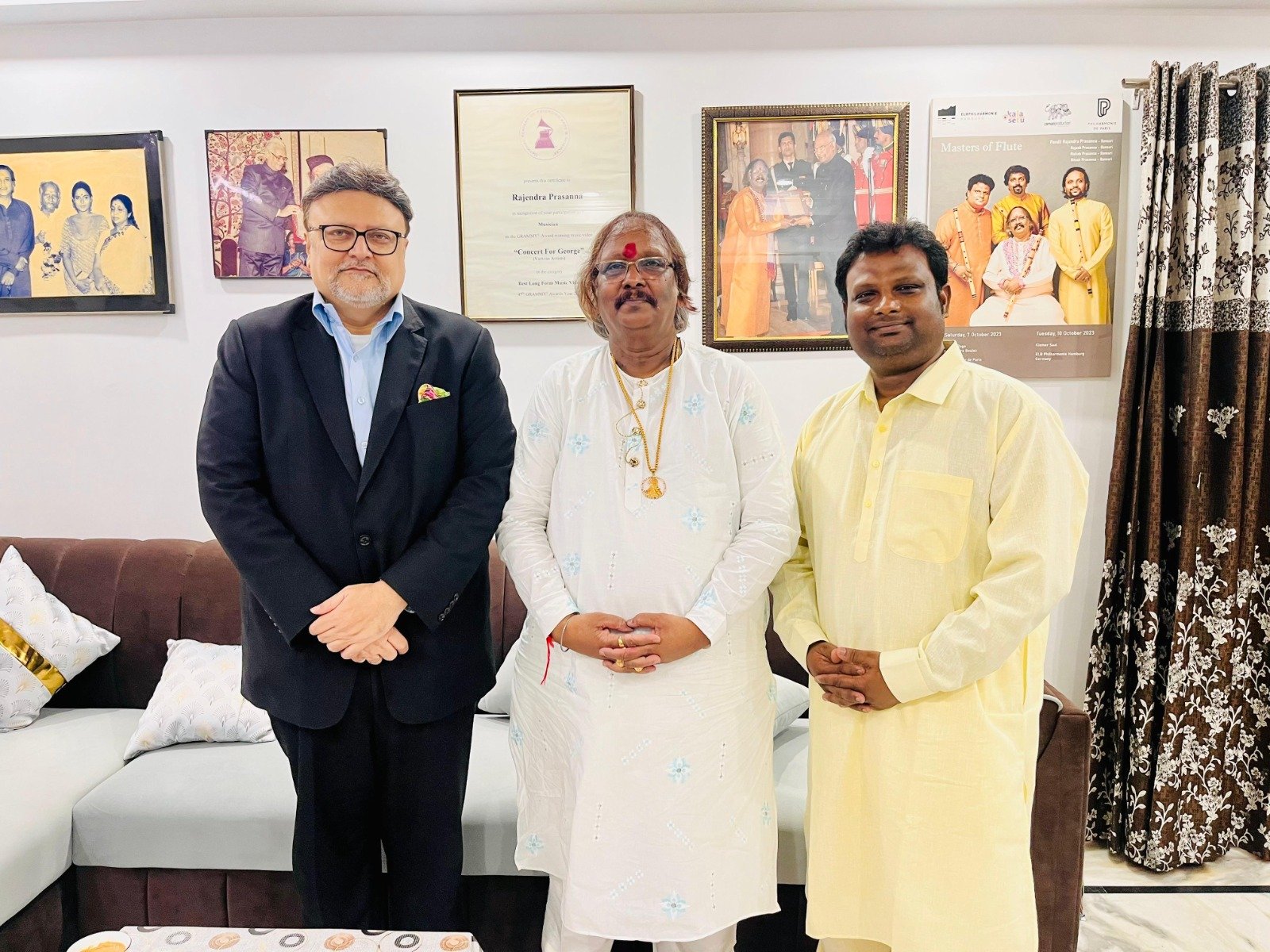
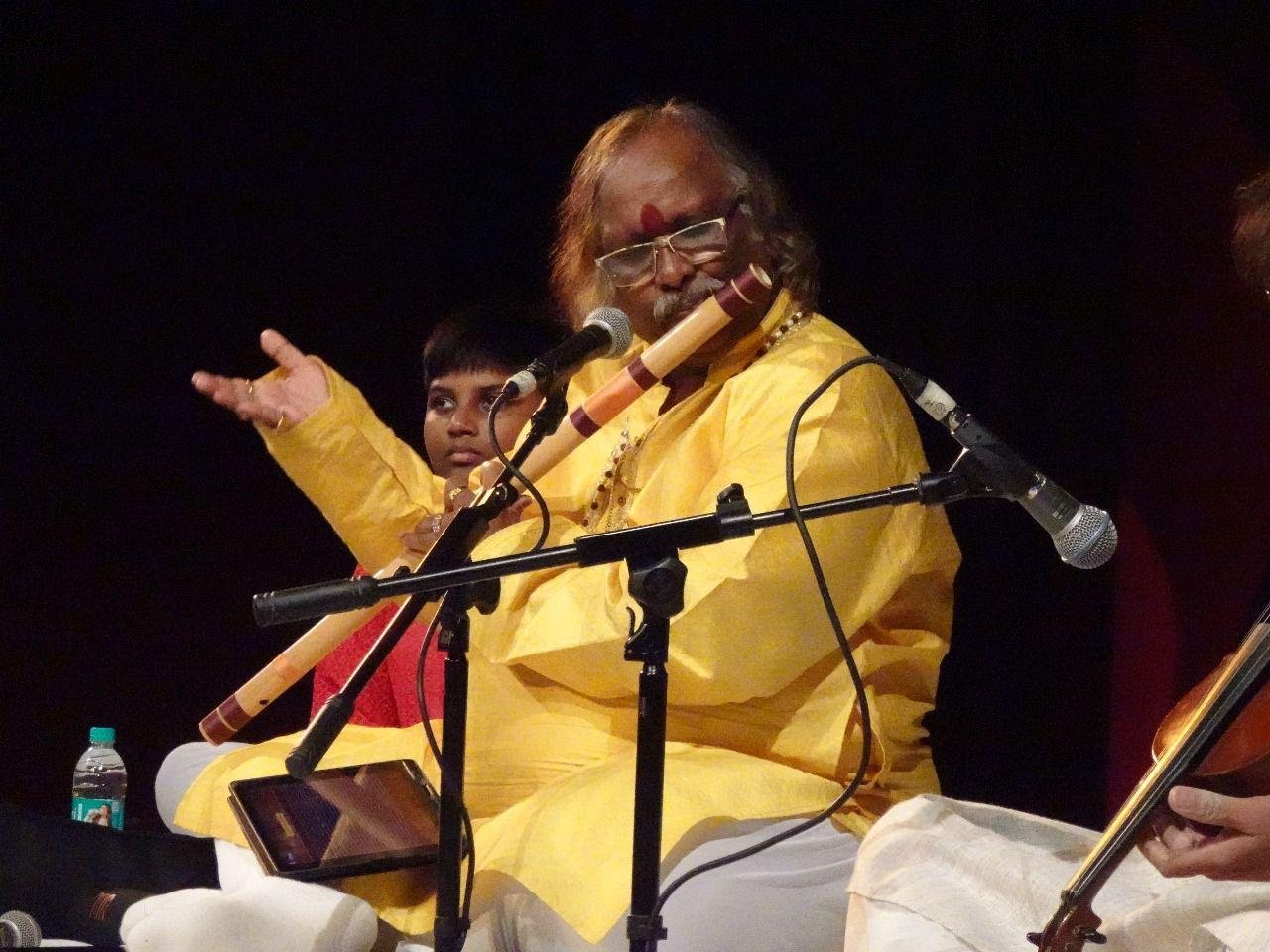
Among the great musical families of Banaras, the Prasanna family stands out for preserving and nurturing the tradition for nearly 1000 years, carrying its lineage forward for eight generations. One of its most celebrated figures is Pt. Rajendra Prasanna, a global ambassador of the Banaras Gharana and one of the rare maestros proficient in both bansuri and shehnai at the highest level.
Pt. Rajendra Prasanna was trained by his grandfather, Pt. Gauri Shankar and father Pt. Raghunath Prasanna, the family’s pioneering flautist, introduced the Tripura and Krishna flute styles. He further learned from his uncle, Pt. Bholanath Prasanna and Pt. Vishnu Prasanna, and also received traditional taalim from Thumri Samrat Pt. Mahadev Prasad Mishra.
His journey later took him to Delhi, where he studied under the maestros of the Rampur-Sahaswan Gharana, Padmashree Ustad Hafeez Ahmed Khan and Ustad Sarfaraz Hussain Khan.
Today, Pt. Rajendra Prasanna is recognised worldwide for:
- His soulful Bansuri and Shehnai renditions
- His preservation of the traditional Banaras style
- His global performances across Europe, Asia, America, Africa, and Australia
- His long association with the National School of Drama
- His contribution to the Grammy Award-winning concert organised by Pt. Ravi Shankar at the Royal Albert Hall
- His many accolades, including the National Sangeet Natak Akademi Award, UP Sangeet Natak Academy Award, Sahara Lifetime Award, and more
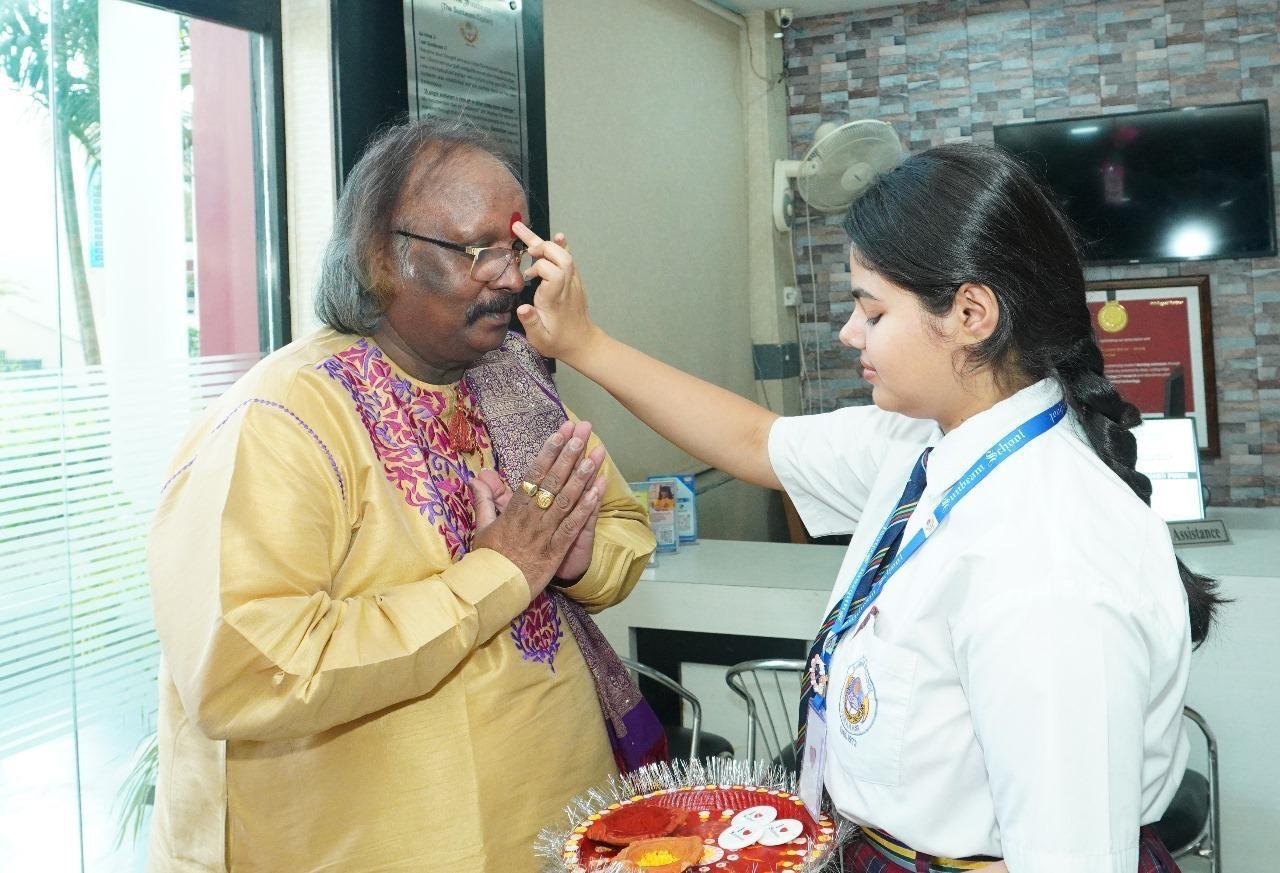
He continues to inspire young musicians and uphold Kashi’s cultural legacy.
The Banaras Thumri - A Signature Style
Banaras is particularly celebrated for its unique Thumri style – a light-classical form that expresses the emotional shades of love, longing, and devotion. The Banaras Thumri is known for:
- Bol Banav style – slow, expressive unfolding of lyrics
- Emphasis on bhava (emotion)
- Borrowing elements from local folk songs
- Lively tabla patterns such as laggi
- Gradual increase in tempo after the initial elaboration
This lyrical and evocative form became deeply associated with Banaras’s musical identity.
A City That Breathes Music
Even today, Varanasi is a city where music is not just an art but a way of life.
Walk through Kabir Chaura, and you will hear tanpuras vibrating in one home and tabla bols echoing in another. Visit Sitar Kunj near Assi Ghat, and the sound of sitar strings fills the air. Music academies, baithaks, and homes of gurus continue the age-old tradition of teaching, performing, and preserving the art.
In recognition of its immense cultural legacy, UNESCO declared Varanasi a “City of Music” in 2015.
Why the Banaras Gharana Matters Today
The Banaras Gharana remains relevant because:
- It preserves centuries-old musical wisdom
- It maintains a strong connection between classical, folk, and devotional traditions
- Its artists continue to inspire students globally
- It represents the diversity and depth of Indian classical music
- It anchors Varanasi’s identity as a musical and cultural hub
For young musicians, it is a reminder that tradition is not static – it grows, adapts, and inspires new generations.
Rishal Music Trust (RMT) - Carrying the Legacy Forward
The preservation of classical traditions like the Banaras Gharana requires not only great artists but also committed custodians. Rishal Music Trust (RMT) is devoted to the promotion and preservation of Indian classical music, culture, and artistic heritage.
Under the guidance of Chairman & Chief Patron, Harvansh Chawla – Distinguished Lawyer, Founder & Managing Partner of K R Chawla & Co. (Law Firm), Government Nominee on the Indian Company Secretary Institute, Chairman of the International Punjabi Forum (IPF), Chairman of the BRICS Chamber of Commerce and Industry, and Chairman, TNN World (OT) Channel – the Trust brings together maestros, patrons, scholars, and visionaries working toward a shared purpose: to nurture India’s musical heritage and inspire future generations.
The Trust’s leadership includes stalwarts such as Pt. Rajendra Prasanna – (Co Chairman, National Sangeet Natak Akademi Awardee & Grammy Award Certified), Dr. Sushi Singh, Nutan Jain, K.J. Alphons, Ashok Kumar Singh, Pradeep Jain, Dr. Parvez Hyaat (IPS), Jaspal Singh (IPS), Mehinder Sharma, Yashovardhan Azad (IPS), Sumit Dang, Dr. Kittu Siddhu, Rosy Ahluwalia, Neha Jain Narang, Dr. Moumita Nandy, Yashna Dham, Shivpreet Singh Kapoor, Pranav Jain, Dr. Jagriti Luthra Prasanna, Rakesh Mehta, Santosh Nahar ,Rishab Prasanna, Ustad Puranchand Wadali, Ustad Ghulam Ali, Pt. Anup Jalota, Vidhushi Sumitra Guha, Vidhushi Nalini & Kamilini, Pt.Shivnath Mishra, Janab Muzaffar Ali, Ashok Chakradhar, Pt.Ronu Majumdar, Pt.Umakant Gundecha, Ritwik Sanyal, Bhai Harjinder Singh (Srinagar Wale), Ustad Ahmed Hussain & Ustad Mohammad Hussain, Pt. Bharti Bandhu, Pt. Shashidhar Acharya, Ustad Moinuddin Khan, Ustad Gulfam Ahmed, Govind Namdev, Himani Shivpuri, Raghubir Yadav, Adil Hussain, Mukesh Tiwari, Yashpal Sharma, Rajesh Tailang.
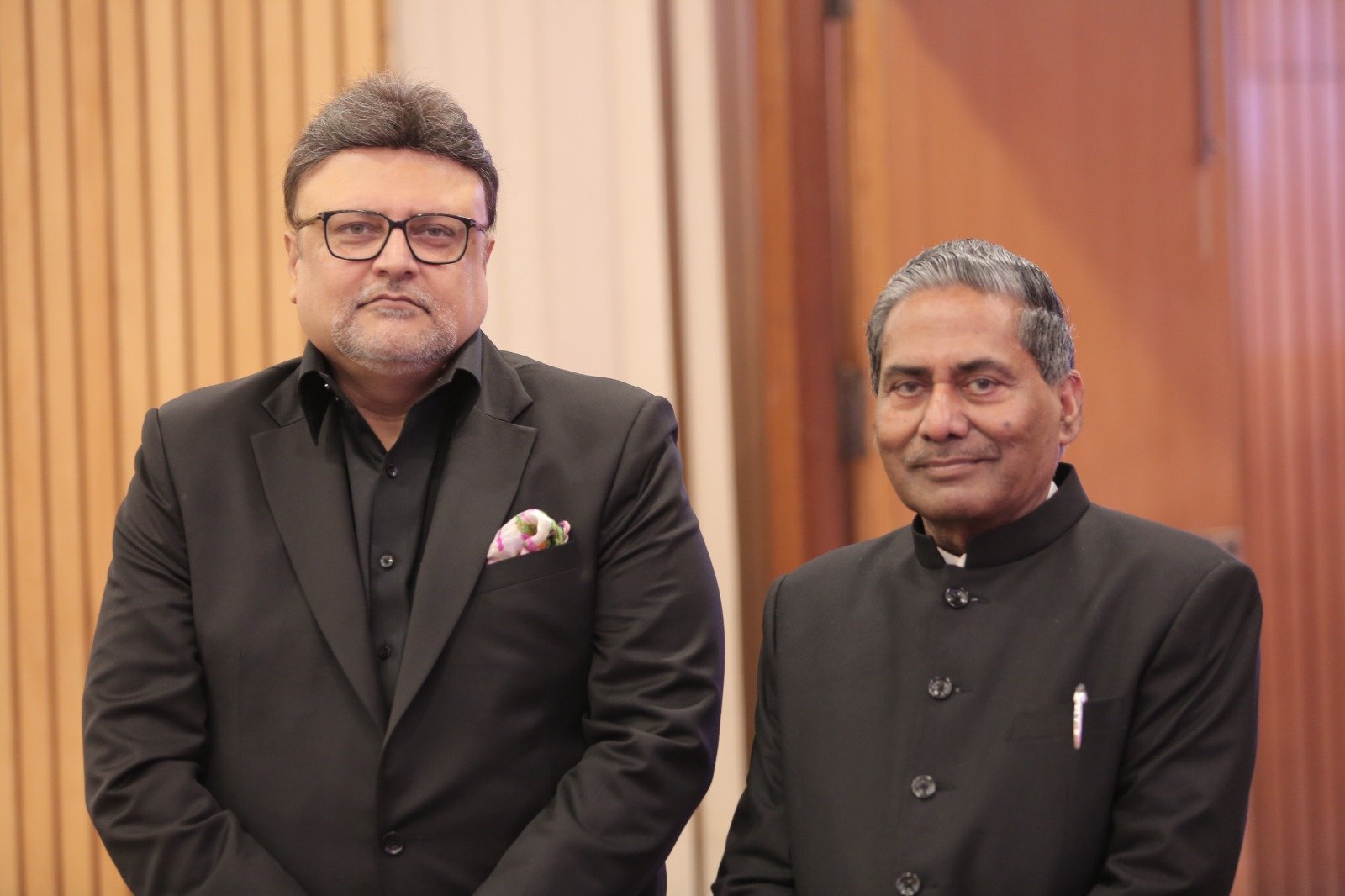
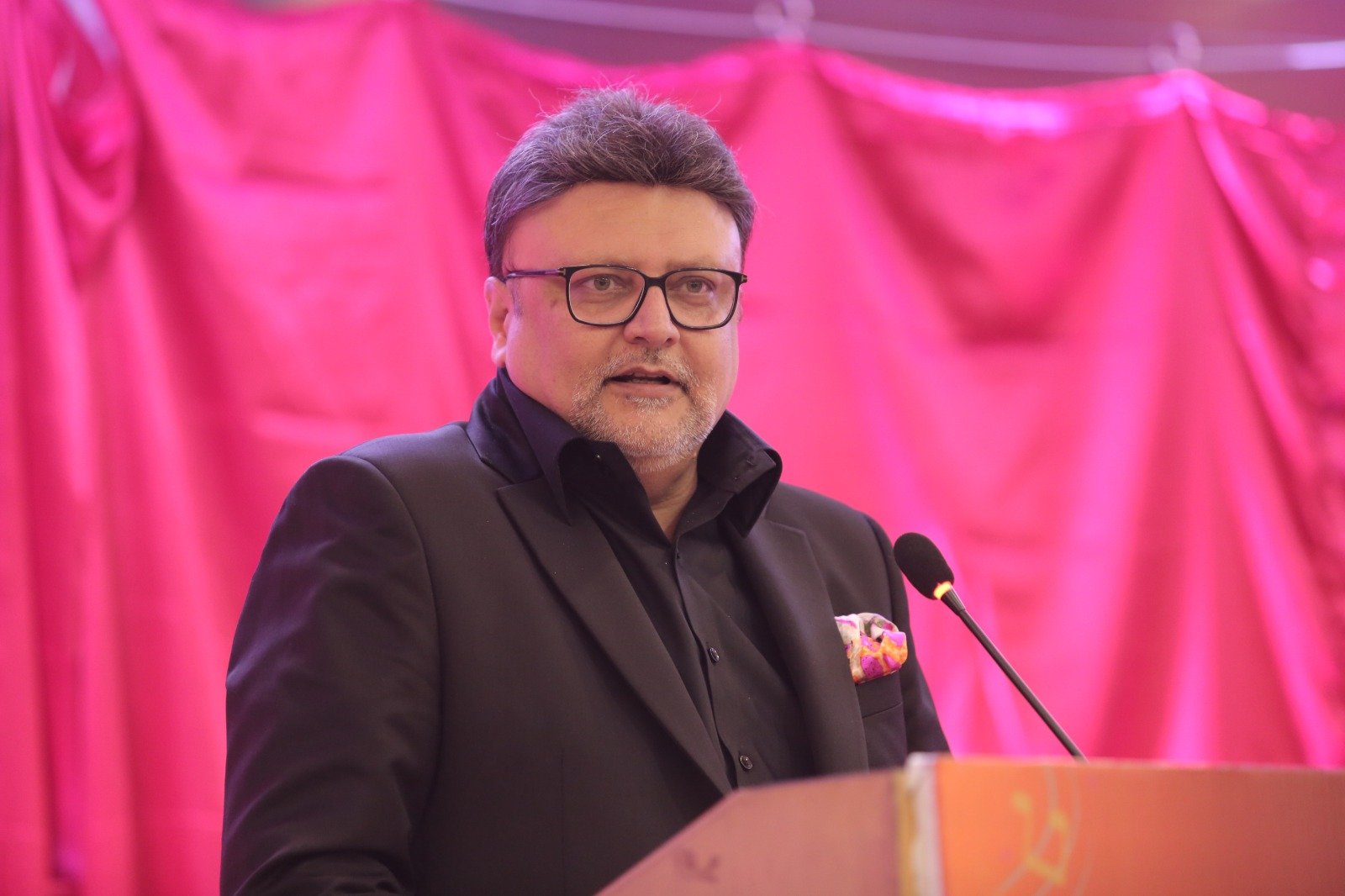
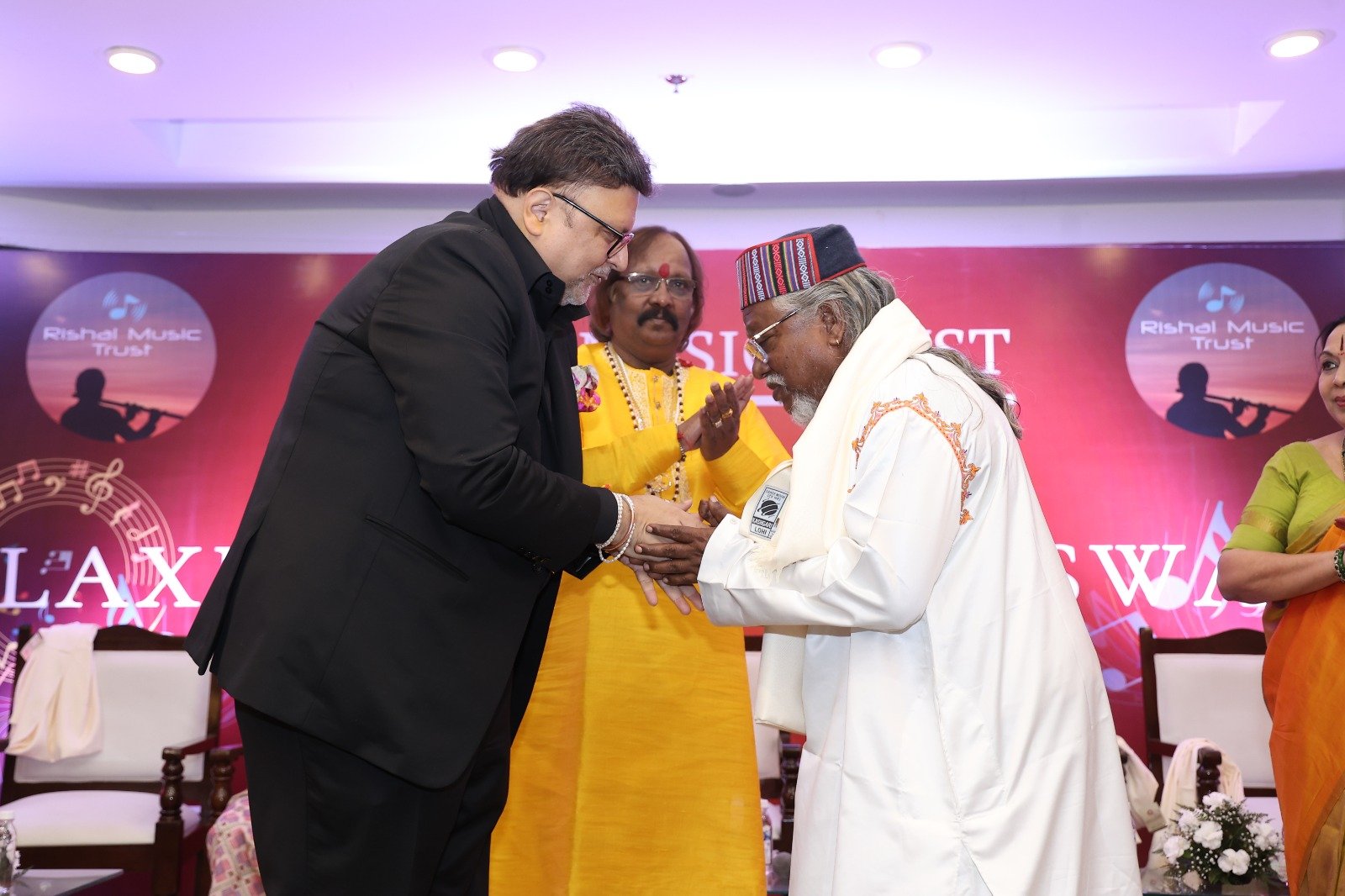
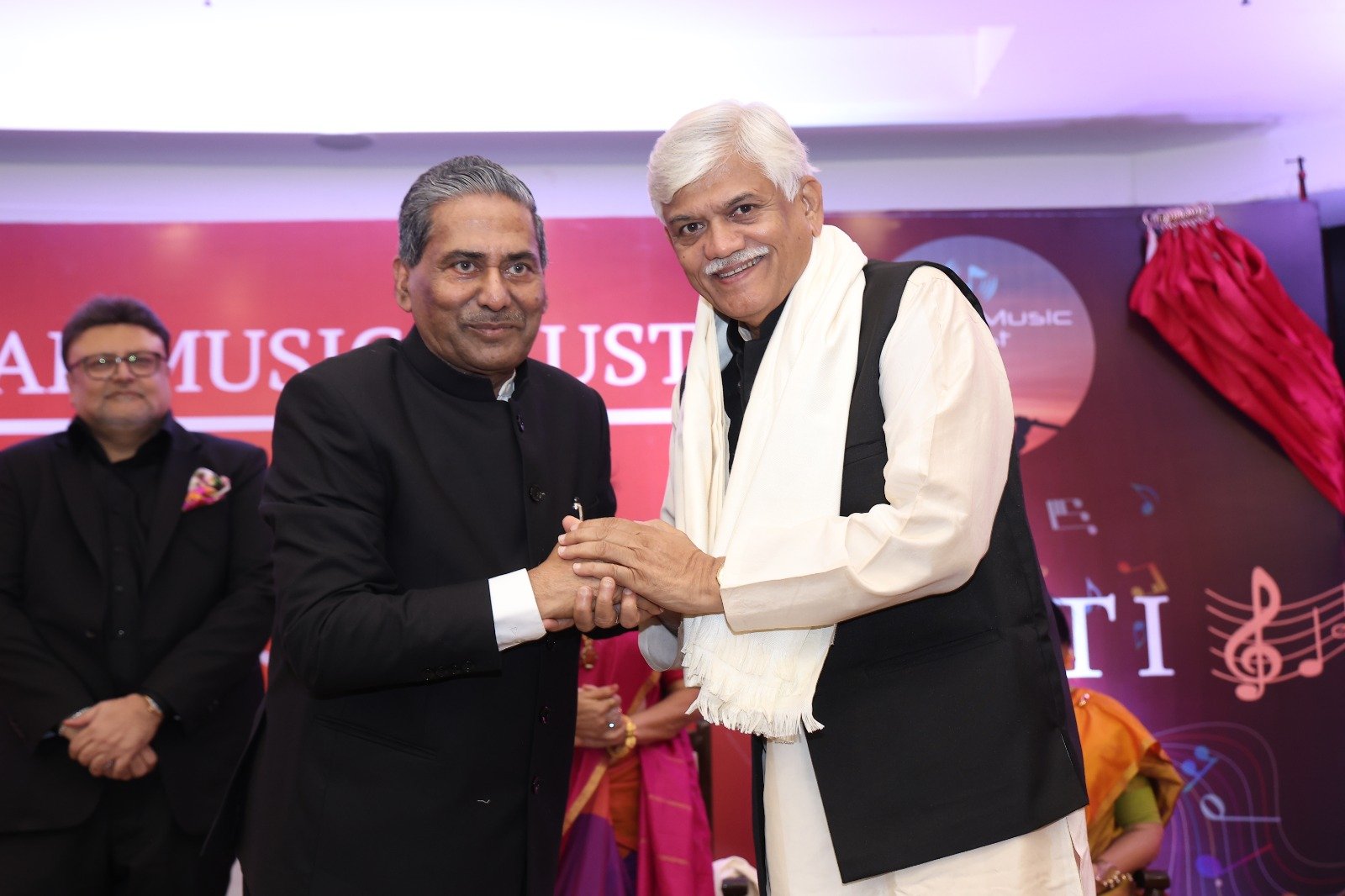
Together, they work to create platforms, opportunities, and cultural initiatives that keep traditional music alive, relevant, and accessible to future generations.
The Banaras Gharana is more than a gharana. It is a living legacy shaped by saints, scholars, and maestros who infused their devotion into every note. Its rhythms, melodies, and philosophies continue to enrich Indian classical music and keep the cultural soul of Varanasi alive.
As Rishal Music Trust (RMT) remains committed to preserving India’s musical heritage, celebrating the Banaras Gharana, and honouring luminaries such as Pt. Rajendra Prasanna is an essential step in upholding the traditions that shape our artistic identity.